

Pain is not what most of us were taught it was.
UNDERSTANDING PAIN
And that changes what's possible.

If you're reading this, there's a reasonable chance pain has brought you here — your own, or someone you care about.
Perhaps you've been told it's your disc, your knee, your shoulder, your nerves. Perhaps you've been told there's nothing wrong. Perhaps you're facing surgery, recovering from it, or trying to avoid it.
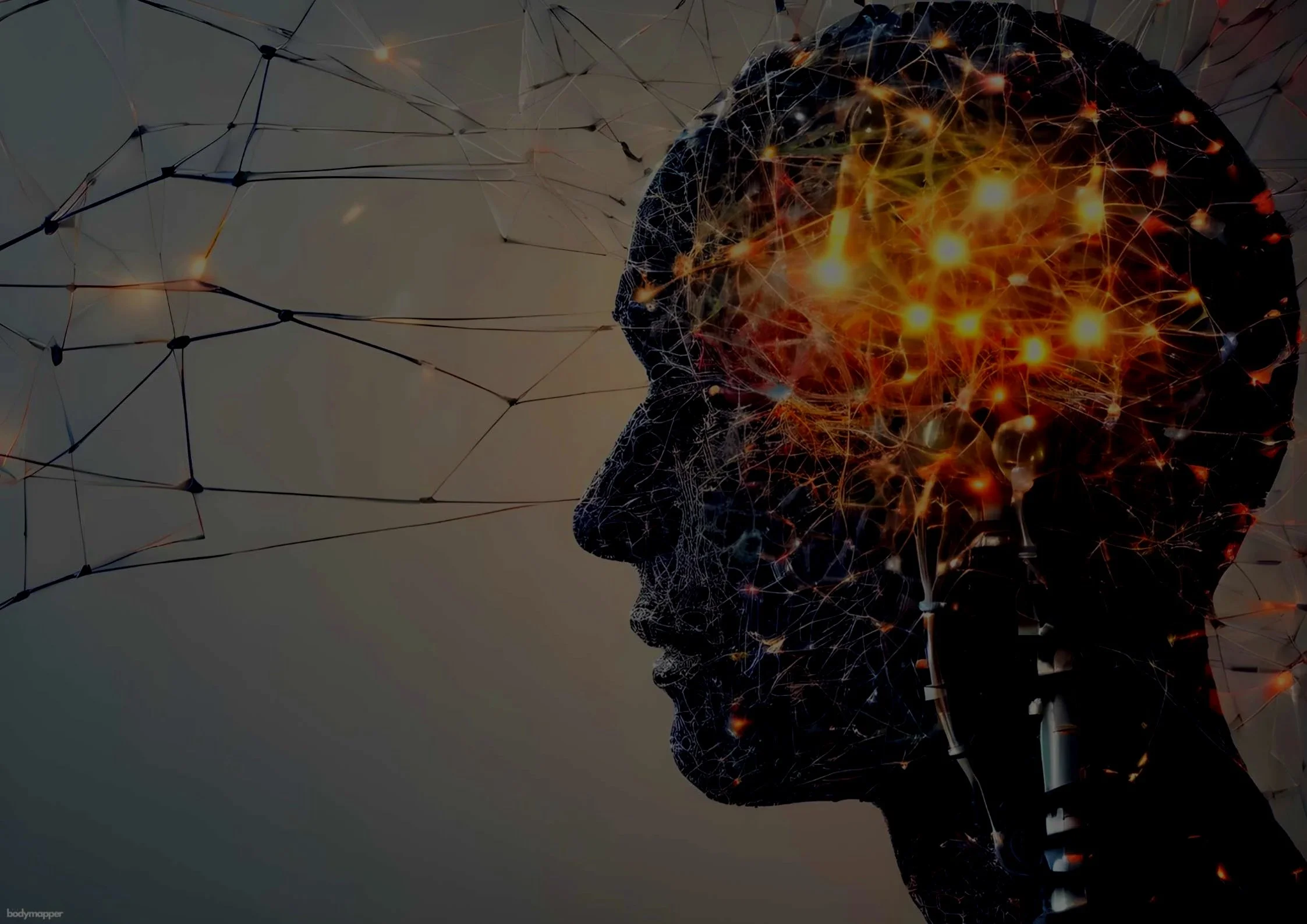
Wherever you are in that story, the starting point is the same: pain is not a simple report from the body. It is a decision made by the brain, based on everything it knows about you — your tissues, yes, but also your stress, your sleep, your past, your beliefs, your movement, your meaning.
That single shift in understanding changes what's possible.
A QUICK VERSION FOR THOSE SHORT ON TIME
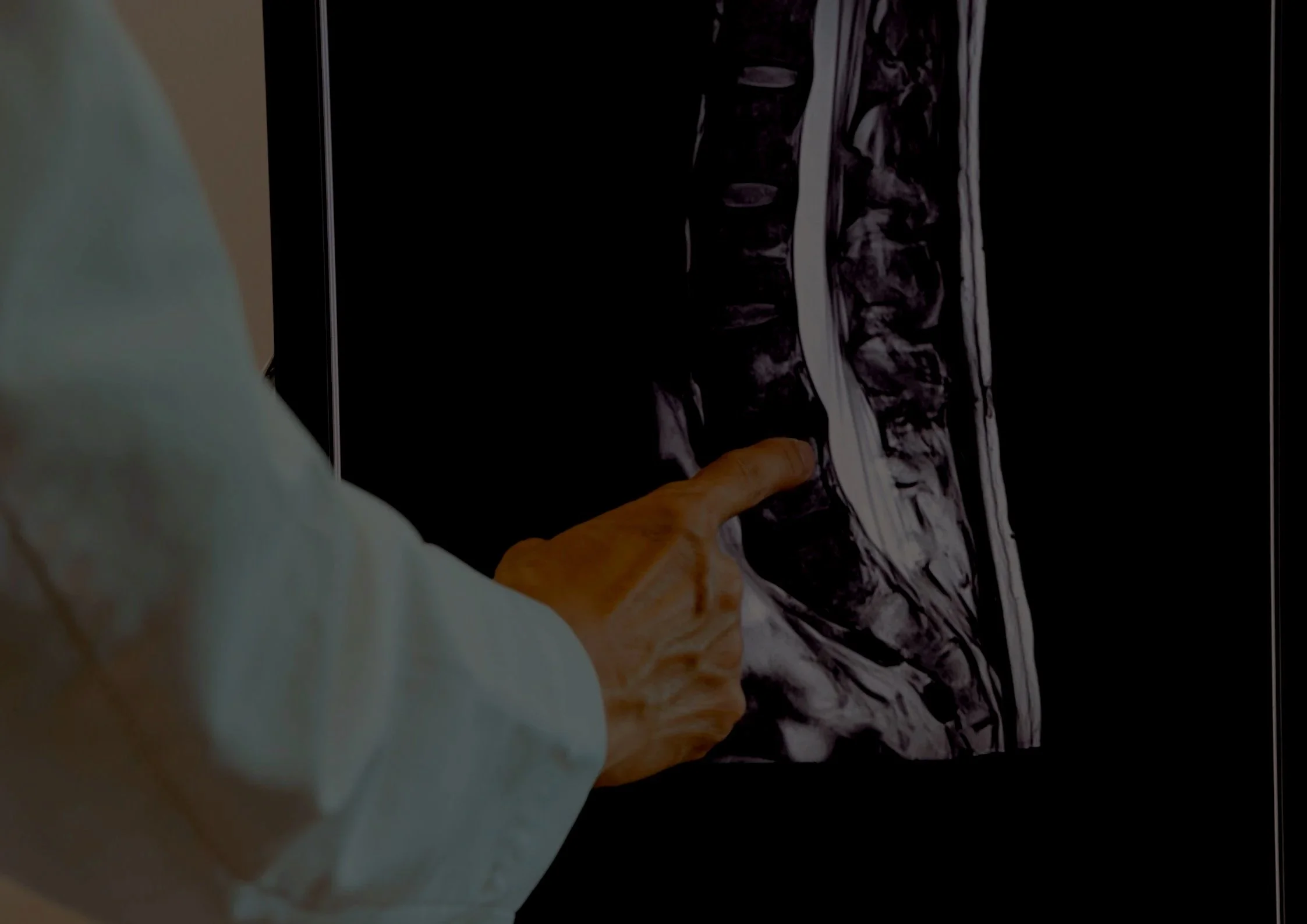
Pain is the brain's best guess at how much danger you're in. It draws on signals from the body, but also on memory, expectation, mood, and context. This is why two people with identical scans can have wildly different experiences — and why pain can persist long after tissues have healed.
The good news: because pain is shaped by so many inputs, there are many places to work. How you move, how you eat, how you sleep, how you think about your body, how safe your nervous system feels — all of it matters.
Over the last six years and more than 7,000 one-to-one sessions in Petersfield, I've worked with people in their 50s, 60s and 70s who have walked, slept, climbed, gardened and travelled again after years of being told they shouldn’t.
Some have come to me preparing for an operation. Some afterwards, rebuilding. And some have had their operations reconsidered, in conversation with their surgeon, because the picture had changed.
THE LONGER STORY. WHAT PAIN ACTUALLY IS
HOW I WORK.
Move. Eat. Sleep
Three pillars. None of them glamorous. All of them, done consistently, change people's lives.
Pillar 1
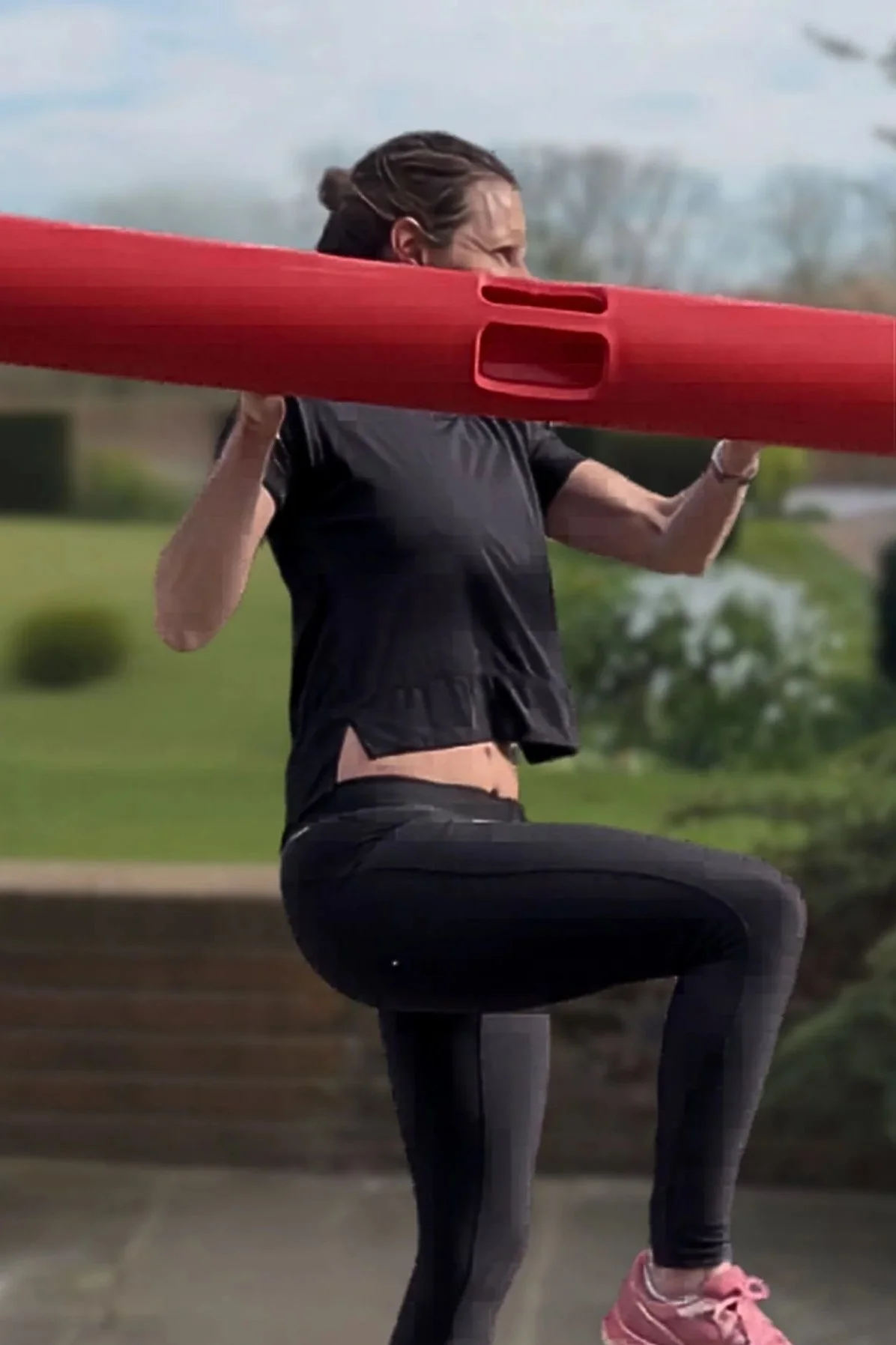
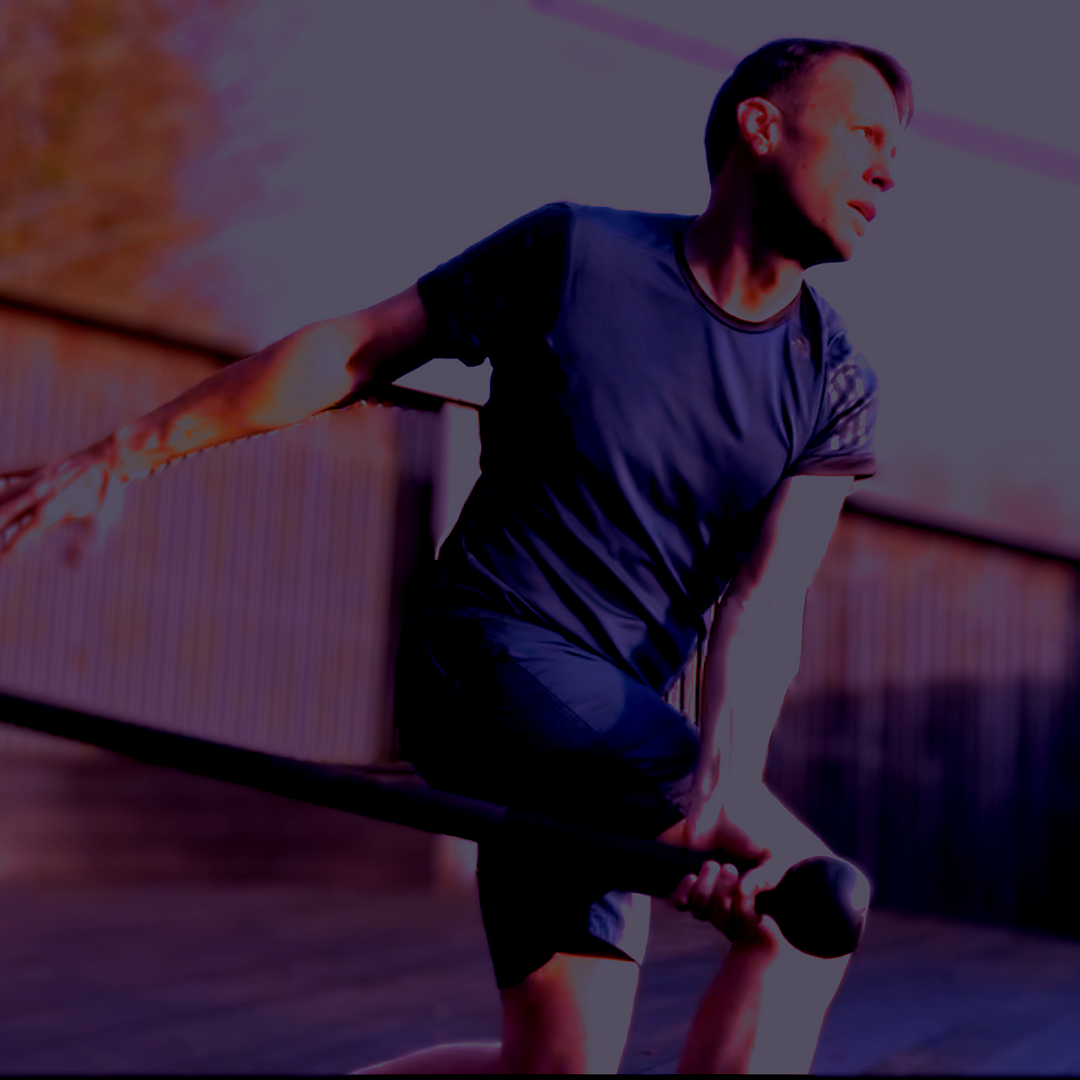
Not exercise in the gym-and-goals sense — movement as a conversation with your nervous system. Gentle, graded, curious movement that gives the brain fresh evidence that you are safe, capable, and not as fragile as pain has been telling you. We work with what you can do, not against what you can't, and we expand the territory from there.
MOVE

Pillar 2
Inflammation, blood sugar, gut health and energy all feed into how loudly the nervous system shouts. You don't need a perfect diet. You need a sustainable one that stops pouring fuel on the fire. For most people in the 50–70 bracket, the adjustments are smaller and more practical than they expect.
EAT
Pillar 3
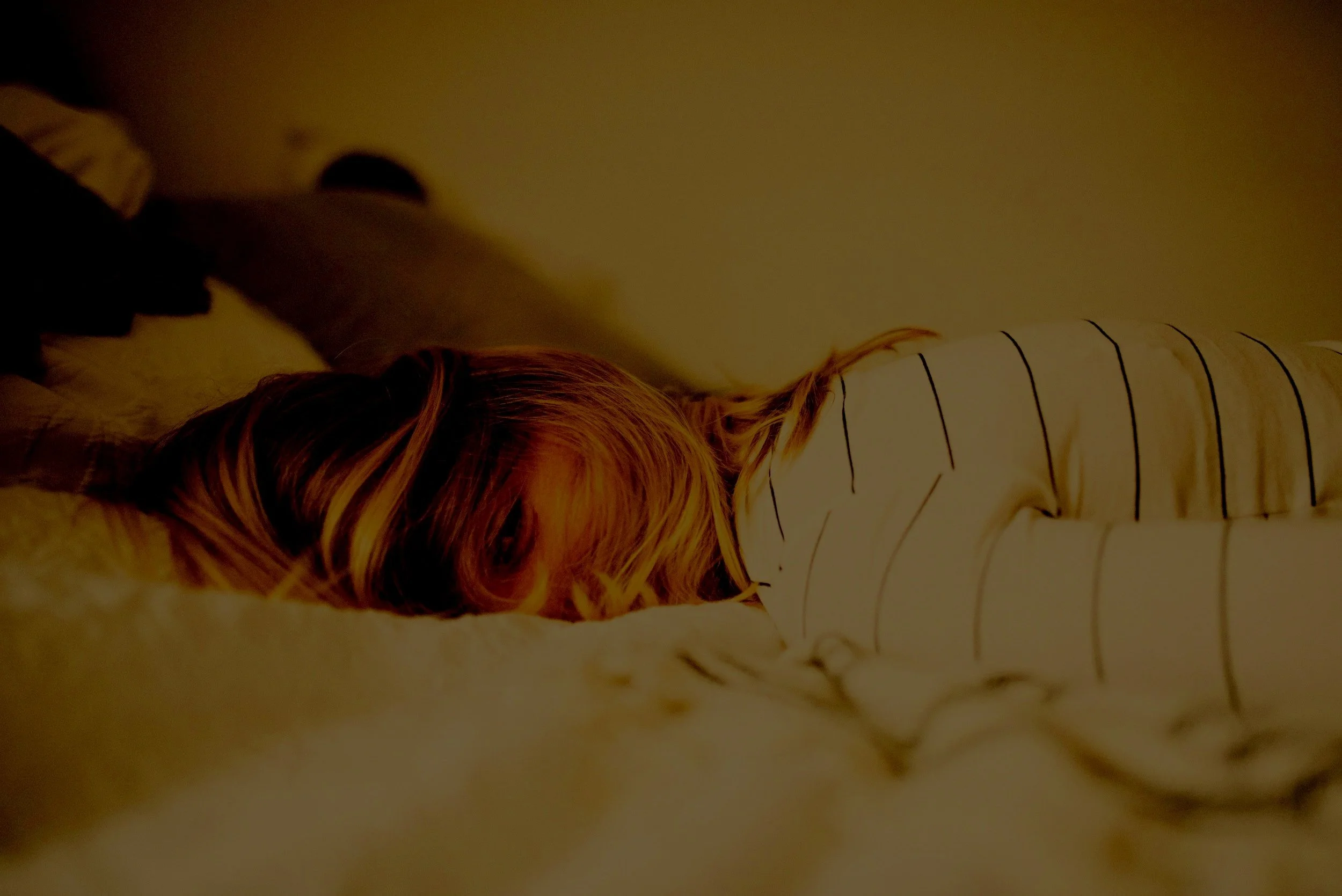
The single most underrated variable in pain. A poorly slept brain is a threat-detecting brain. Improving sleep — its length, its quality, its rhythm — often does more for pain than any hands-on technique. We treat it as training, not luck.
SLEEP
UNDERNEATH ALL THREE PILLARS…
Does your nervous system feel safe?
Breathing. Pacing. The stories you tell yourself. The meaning you make of sensations. These are not soft extras. They are central.
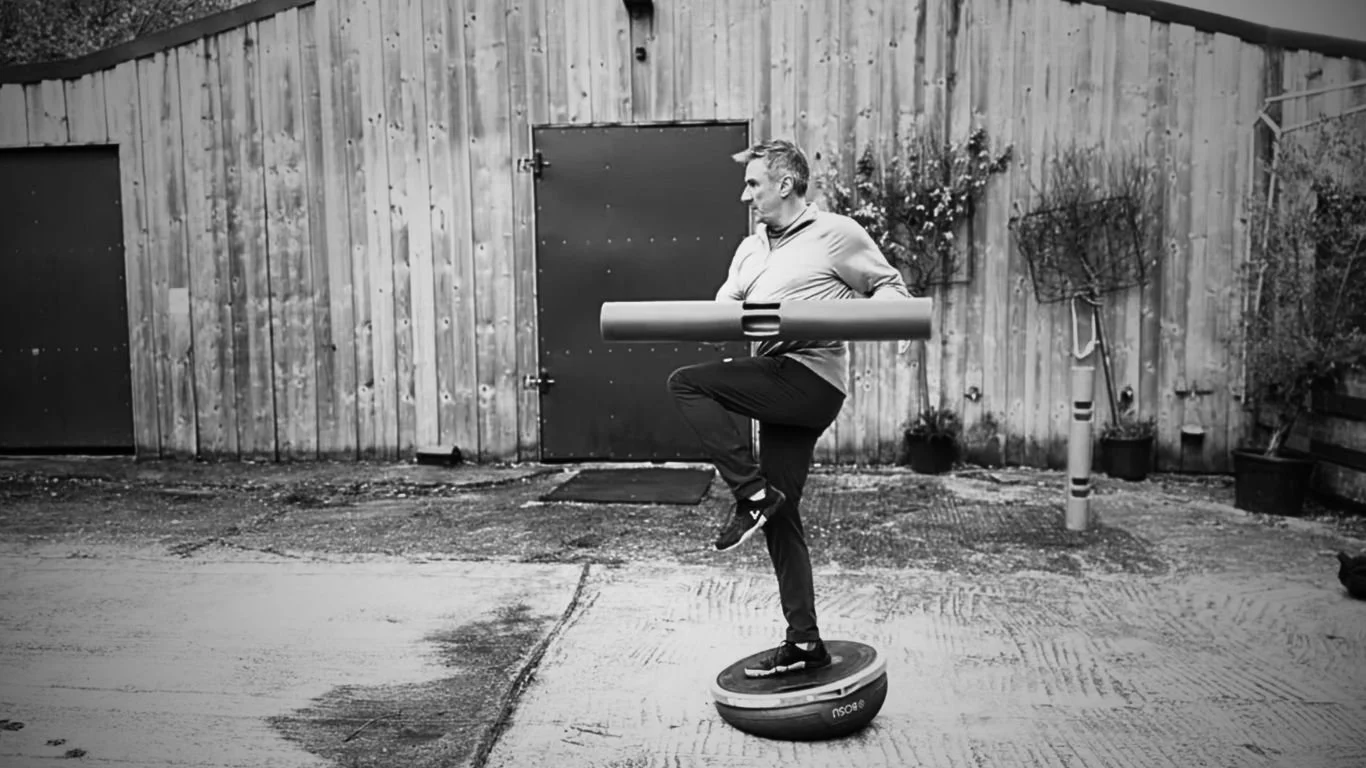
Petersfield. Six years. More than 7,000 one-to-one sessions.
WHO I WORK WITH
Most of the people I work with are in their 50s, 60s and 70s — the demographic where pain most often gets labelled "just your age" and left there.
They tend to fall into a few groups:
— Those living with long-standing pain that has not responded to the usual routes, and who are ready to try a different frame.
— Those preparing for an operation — knees, hips, backs, shoulders — who want to go into surgery stronger, calmer, and with a nervous system that will recover better.
— Those recovering from an operation who want to rebuild properly rather than just get by.
— And, in some cases, those whose operations have been deferred or reconsidered after this work, in consultation with their surgeon, because symptoms had changed enough that the decision warranted another look.
I don't promise any of these outcomes. I do promise to work with you honestly, at your pace, with a clear explanation of what we're doing and why.
I work best as one part of a team that's genuinely working together.
A TEAM, NOT AN ALTERNATIVE
I'm not an alternative to your GP, your surgeon, or your physiotherapist. The best results I've seen come when each practitioner is doing what they do best, in coordination with the others. Listen to Amanda’s story below to hear how she worked with me and multiple primary health care practitioners to get herself out of pain.
I actively seek to work alongside progressive surgeons, physiotherapists, osteopaths, sports massage therapists and other clinicians who share an interest in treating the whole person rather than a single joint or scan. Many of my clients arrive on one of their recommendations, and many continue to see several of us in parallel. As Amanda put it, the multi-practitioner approach was what finally moved things for her — because nobody was pretending to be the whole answer.
What I will always do is hold to the principles on this page. That pain is a whole-person phenomenon. That the nervous system is central. That people are not fragile. Where an association supports those principles, I welcome it. Where it would compromise them, I won't pretend otherwise.
If you are already under the care of a consultant or a clinician, tell them you're working with me — and with your permission, I'm happy to communicate with them directly.
A short series of talks — for anyone who wants to understand their pain better.
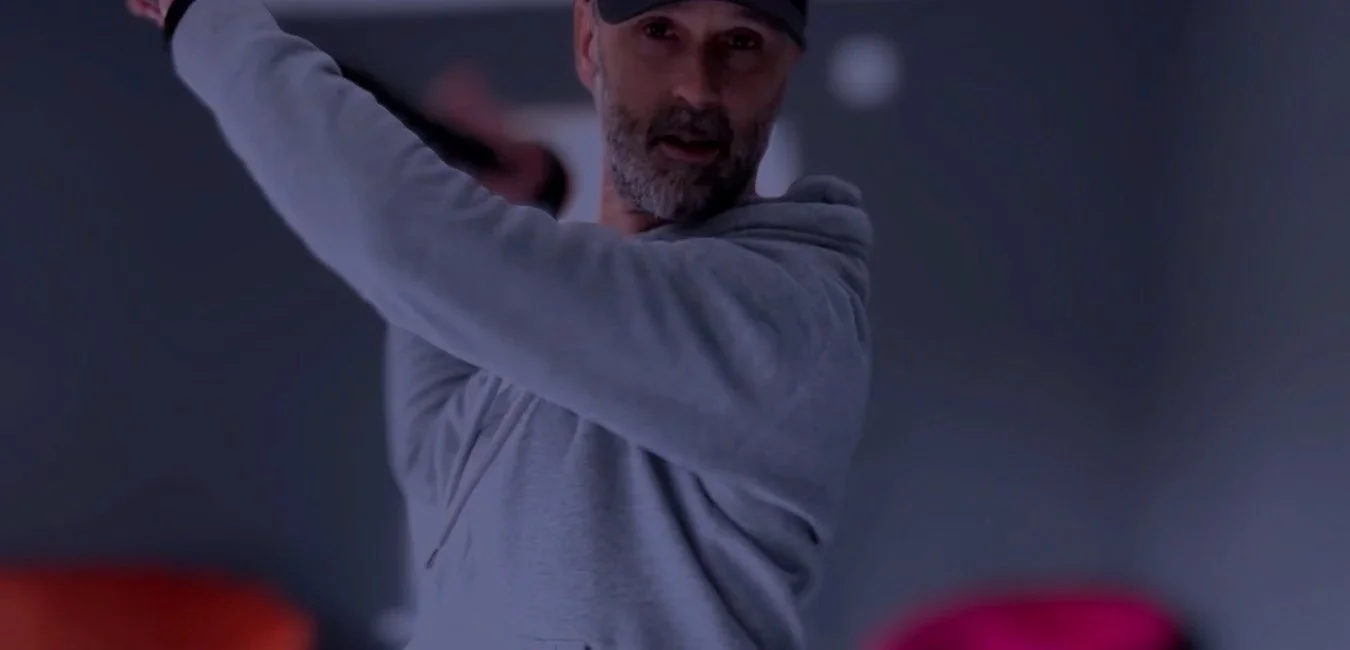
If you're curious but not yet ready for a one-to-one session, I'll be running a short series of talks in late summer covering much of what's on this page in more depth. The science of pain. The move, eat, sleep framework. Plenty of time for questions.
They're intended as a relaxed, useful way in — whether the pain is yours, or belongs to someone you love.
Pain is rarely the end of the story.
Come to a talk. Or start with a conversation.